A workplace fall can happen in an instant, but the effects can last long after the accident. Whether you slipped on a wet floor, fell from a ladder, tripped over debris, or lost your footing on an uneven surface, a workplace fall can result in serious injuries that impact your health, your ability to work, and your financial stability.
Although falls are commonly associated with construction sites, they can happen in nearly any workplace. Employees in warehouses, hospitals, retail stores, restaurants, manufacturing facilities, offices, and other work environments may all be at risk. In many cases, these accidents are preventable when proper safety procedures and workplace standards are followed.
If you’ve been injured in a workplace fall, you may be entitled to workers’ compensation benefits. Depending on how the accident occurred, you may also have additional legal options if someone other than your employer contributed to your injuries. Understanding your rights can help you make informed decisions as you focus on your recovery.
With more than 70 years of combined experience, our North Carolina injury lawyers for workplace falls deliver more.
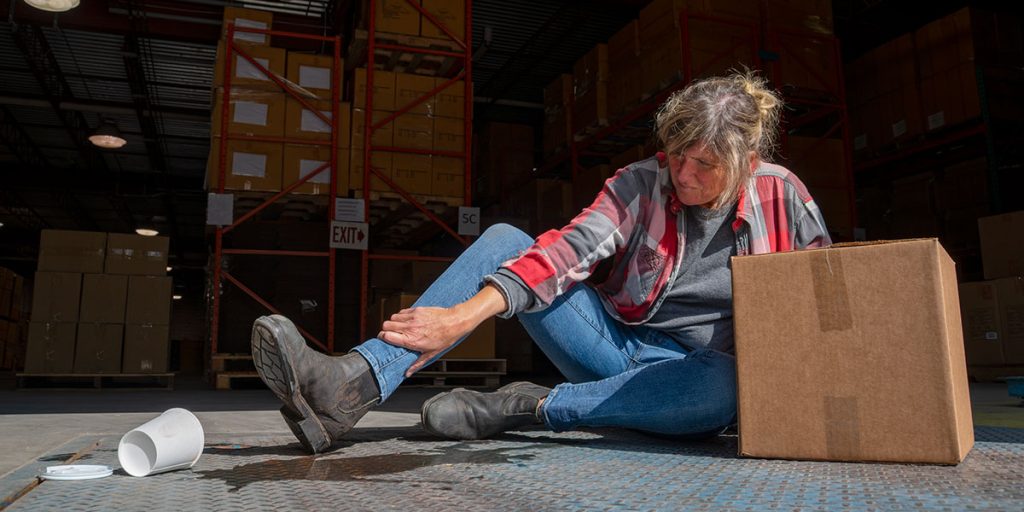
Most employees who are injured in a workplace fall may be eligible for workers’ compensation benefits, regardless of who caused the accident. Workers’ compensation is designed to provide benefits to employees who suffer work-related injuries while performing their job duties.
Every situation is different, however. In some cases, a workplace fall may involve the negligence of a third party, such as a property owner, contractor, subcontractor, or equipment manufacturer. When that happens, you may have additional legal options beyond your workers’ compensation claim.
Workplace falls can occur for many reasons, and identifying the cause of the accident is often an important part of determining your legal options. Some of the most common causes include:
Many workplace falls could be prevented through proper maintenance, training, and adherence to workplace safety standards.
The severity of a workplace fall often depends on the height of the fall, the surface involved, and the circumstances surrounding the accident. Even a fall from ground level can cause significant injuries.
Common workplace fall injuries include:
Some injuries require extensive medical treatment, physical therapy, or long-term rehabilitation before an employee can safely return to work.
Most employees in North Carolina are covered by workers’ compensation if they are injured while performing their job duties. Coverage often includes full-time and part-time employees, and many temporary or seasonal workers may also qualify depending on their employment situation.
Whether an individual qualifies for benefits depends on several factors, including the nature of the employment relationship and the circumstances surrounding the accident.
The steps you take after a workplace fall can affect both your health and your workers’ compensation claim.
If possible, you should:
Taking these steps can help protect your health while creating a clear record of your workplace injury.
In most cases, North Carolina’s workers’ compensation system prevents employees from filing a personal injury lawsuit against their employer for a workplace accident. Instead, injured employees generally seek benefits through workers’ compensation.
However, this does not necessarily mean that every legal option is unavailable. Depending on how the accident occurred, another person or company may be legally responsible for contributing to your injuries.
Some workplace falls involve third parties that are not your employer. For example, a property owner may have failed to maintain safe premises, a contractor may have created a hazardous condition, or defective equipment may have contributed to the accident.
When a third party is responsible, you may have the ability to pursue a separate personal injury claim in addition to your workers’ compensation benefits. Because every case is unique, it is important to understand how the circumstances of your accident may affect your legal rights.
Workers’ compensation benefits may be available to help injured employees recover after a workplace fall. Depending on your situation, benefits may include:
The benefits available depend on the facts of your claim and the extent of your injuries.
North Carolina law places deadlines on reporting workplace injuries and filing workers’ compensation claims. Missing these deadlines may affect your ability to recover benefits.
Reporting your injury as soon as possible and understanding the applicable time limits can help protect your rights throughout the claims process.
Not every workplace fall claims are exactly alike. The value of a claim depends on several factors, including the nature of the injury, the medical treatment required, the amount of time missed from work, any permanent impairment, and whether another party may also be legally responsible.
Evaluating a workplace fall claim requires considering the specific facts of each case rather than relying on averages or estimates.
Recovering from a workplace injury can be challenging, especially when you’re also dealing with medical appointments, time away from work, and questions about your benefits. Understanding your rights after a workplace fall is an important part of moving forward.
At Counsel Carolina, our attorneys help injured workers throughout North Carolina understand the workers’ compensation process and evaluate whether additional legal claims may be available. If you’ve been injured in a workplace fall, we’re here to answer your questions and help you understand your options.

