A workplace amputation is one of the most serious injuries an employee can experience. Whether the injury involves the loss of a finger, hand, arm, foot, leg, or toe, the physical, emotional, and financial impact can be life changing. Recovery often requires emergency medical care, multiple surgeries, rehabilitation, and significant adjustments to daily life.
Amputations can occur in many industries throughout North Carolina, including construction, manufacturing, agriculture, warehousing, transportation, and food processing. Heavy machinery, power tools, conveyor systems, forklifts, and defective equipment can all contribute to devastating workplace accidents.
If you’ve suffered an amputation while performing your job duties, you may be entitled to workers’ compensation benefits. Depending on the circumstances surrounding the accident, you may also have additional legal options if a third party contributed to your injury.
With more than 70 years of combined experience, our North Carolina injury lawyers for amputation deliver more.
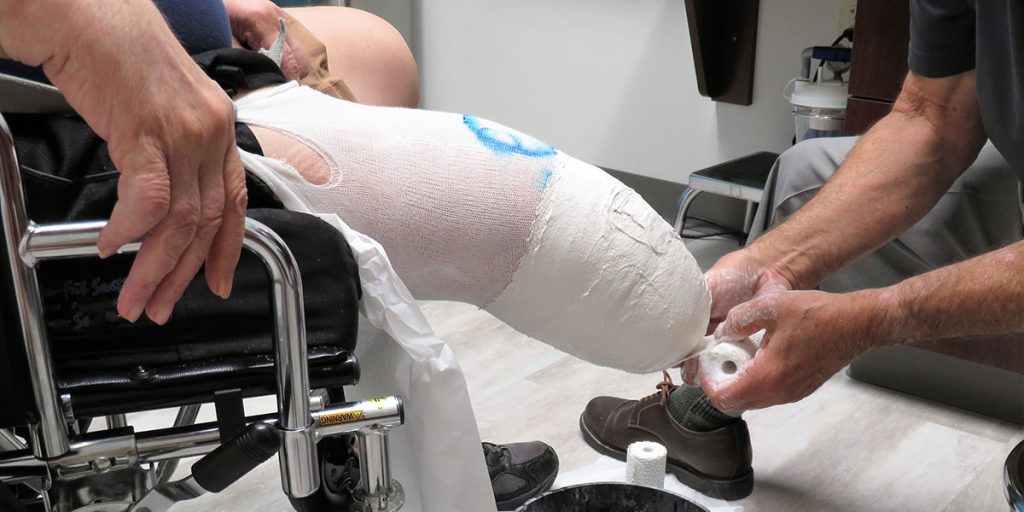
Workplace amputations often occur when employees come into contact with machinery or equipment capable of crushing, cutting, or severing a body part. While every accident is different, some of the most common causes include:
Many of these accidents occur suddenly and leave little opportunity for workers to avoid serious injury.
Workers’ compensation may provide benefits to help employees recover after a workplace amputation. Depending on your circumstances, benefits may include payment for medical treatment, wage replacement while you’re unable to work, compensation for permanent impairment, vocational rehabilitation, and other benefits available under North Carolina law.
Because an amputation often results in permanent limitations, understanding the benefits available is an important part of planning for the future.
In many cases, workers’ compensation may cover medically necessary prosthetic devices and related treatment following a workplace amputation. This may include the initial prosthetic, fittings, adjustments, repairs, and, when appropriate, replacement devices.
Every claim is different, and the type of prosthetic or ongoing care available will depend on the individual’s medical needs and the facts of the claim.
Many employees are able to return to work after an amputation, although the process often looks different for everyone. Your ability to return may depend on the nature of your injury, your occupation, your physical recovery, and whether workplace accommodations are available.
Some workers return to their previous positions, while others may require modified duties, retraining, or vocational rehabilitation before reentering the workforce.
Most workplace injuries are handled through North Carolina’s workers’ compensation system. However, if someone other than your employer contributed to the accident, you may have additional legal options.
For example, a defective machine, negligent contractor, equipment manufacturer, or another third party may be responsible for creating the conditions that led to the injury. Determining whether a third-party claim exists depends on the specific facts surrounding the accident.
There is no standard value for a workplace amputation claim. Factors that may affect the benefits available include the body part involved, the extent of the injury, medical treatment, permanent impairment, future medical needs, lost wages, and whether additional legal claims are available beyond workers’ compensation.
Because every injury is unique, the value of a claim depends on its individual circumstances.
The moments following a serious workplace injury are often overwhelming. After receiving emergency medical care, it is important to report the accident to your employer as soon as possible, follow your treatment plan, keep records related to your injury, and understand the benefits that may be available to you.
Taking these steps early can help protect both your health and your workers’ compensation claim.
A workplace amputation can affect nearly every aspect of your life, from your ability to work to your long-term medical needs. Navigating the workers’ compensation process while recovering from a catastrophic injury can be challenging, especially when questions arise about permanent disability, future treatment, or potential third-party claims.
At Counsel Carolina, our attorneys help injured workers throughout North Carolina understand their rights after serious workplace accidents. If you’ve suffered a workplace amputation, we’re here to help you understand your options and guide you through the legal process.

