A traumatic brain injury can happen in a workplace accident in many different ways. A worker may suffer a blow to the head after falling from a ladder, scaffolding, or elevated platform. A workplace vehicle crash can cause the head to strike a surface, while a falling object, machinery accident, or explosion can cause a serious head injury.
Some brain injuries are immediately obvious. Others may not be diagnosed until hours or days after an accident.
If you suffered a traumatic brain injury at work, you may be entitled to workers’ compensation benefits for medical treatment, lost wages, and other losses related to your injury. Depending on how the accident happened, you may also have a claim against a third party.
Our North Carolina workplace injury lawyers can help you understand your rights and the options available to you after a traumatic brain injury at work.
With more than 70 years of combined experience, our North Carolina injury lawyers for traumatic brain injuries deliver more.
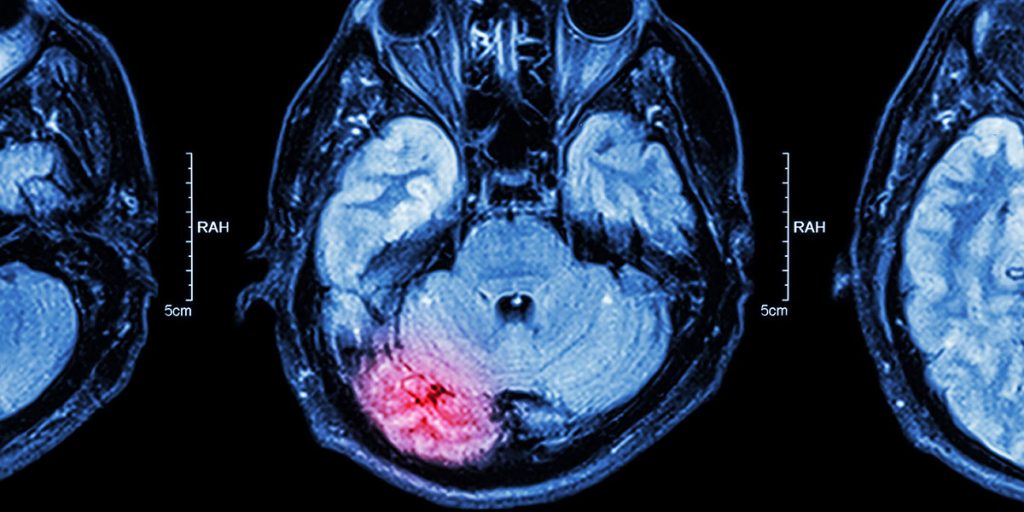
A traumatic brain injury, commonly called a TBI, occurs when an external force causes damage to the brain. The injury can happen from a direct blow to the head, a violent jolt, or another force that causes the brain to move inside the skull.
TBIs can range from mild concussions to severe brain injuries that result in permanent disability.
A person does not have to lose consciousness to suffer a traumatic brain injury. Symptoms can also develop gradually, which is one reason it is important to seek medical attention after a workplace accident involving a blow or jolt to the head.
Workplace TBIs can happen in almost any industry. Some common causes include:
A traumatic brain injury can also occur when a worker is thrown or violently jolted during an accident, even when there is no direct impact to the head.
TBI symptoms can vary depending on the severity and type of injury.
Some common symptoms include:
Some symptoms may appear right away, while others may become noticeable later.
If you were involved in a workplace accident and begin experiencing symptoms afterward, medical evaluation can help determine whether you suffered a concussion or another type of brain injury.
Concussions
A concussion is a type of traumatic brain injury that can occur after a blow or jolt to the head. Although many concussions are considered mild TBIs, they can still cause significant symptoms and may require time away from work.
Contusions
A brain contusion is a bruise or bleeding within the brain caused by trauma. More serious contusions may require hospitalization or other medical treatment.
Penetrating Brain Injuries
A penetrating brain injury occurs when an object breaks through the skull and damages brain tissue. These injuries can cause severe and permanent consequences.
Severe or Complicated Brain Injuries
Some workplace accidents cause extensive brain damage, loss of consciousness, seizures, cognitive problems, or permanent impairment. Severe TBIs may require long-term medical care, rehabilitation, and assistance with everyday activities.
A traumatic brain injury that arises out of and in the course of employment may qualify for workers’ compensation benefits in North Carolina.
Workers’ compensation may help cover reasonable medical treatment related to the injury and may provide disability benefits when an injury prevents a worker from earning their normal wages.
The benefits available will depend on the circumstances and severity of the injury.
If your TBI happened because of a workplace accident, it is important to report the injury and seek appropriate medical care. You should also keep records of your treatment, symptoms, missed work, and other expenses related to the injury.
If you suffer a head injury in a workplace accident, take the injury seriously even if you initially feel fine.
When possible, you should:
North Carolina law generally requires an injured worker to give written notice of an injury to the employer within 30 days, although reporting the injury immediately is recommended. A workers’ compensation claim generally must be filed within two years of the injury.
Depending on your circumstances, workers’ compensation may provide benefits for:
The severity and long-term effects of a traumatic brain injury can make these benefits especially important.
A worker with a serious TBI may need ongoing treatment long after the original accident. In some cases, the injury can affect the person’s ability to return to the same job or perform the same type of work.
Falls are a common cause of workplace head injuries.
A worker may hit their head after falling from a ladder, slipping on a wet floor, falling down stairs, or falling from an elevated work area.
Even if the fall initially seems minor, symptoms such as headaches, dizziness, confusion, memory problems, or difficulty concentrating can indicate a brain injury.
A workplace fall may qualify for workers’ compensation benefits when the injury arose out of and in the course of employment.
Construction sites, warehouses, manufacturing facilities, and other workplaces can expose employees to falling objects.
A worker who is struck in the head by equipment, materials, tools, or other objects may suffer a concussion, skull fracture, brain bleeding, or another traumatic brain injury.
Depending on the circumstances, workers’ compensation may apply. If another company or third party was responsible for the accident, there may also be a separate claim against that party.
A traumatic brain injury can occur when a worker is involved in a crash while driving or riding in a vehicle for work.
Workers’ compensation may apply to qualifying work-related vehicle accidents. If another driver caused the collision, the injured worker may also have a potential claim against the at-fault driver.
These cases can involve more than one source of compensation, so it is important to understand how the claims interact.
Losing consciousness after a workplace accident can be a sign of a serious brain injury.
If you were knocked unconscious, even briefly, you should seek medical attention. Your medical records may also be important in documenting the severity of your injury and the circumstances surrounding the accident.
A loss of consciousness does not automatically determine the amount of workers’ compensation benefits available, but it can be an important part of evaluating the injury.
A traumatic brain injury does not always cause an obvious external injury.
A worker can suffer a concussion without having a cut, bruise, or other visible sign of trauma. Symptoms such as headaches, dizziness, confusion, memory problems, and sensitivity to light or sound can still be significant.
If you believe you suffered a concussion at work, seek medical attention and explain what happened to your medical provider.
A severe TBI can result in long-term or permanent physical, cognitive, emotional, or behavioral changes.
Depending on the injury, a worker may experience:
When a brain injury has lasting effects, evaluating the full impact of the injury is important when determining what workers’ compensation benefits may be available.
Workers’ compensation claims can sometimes be disputed when an employer or insurance carrier questions how an injury happened or whether it was related to employment.
This can be particularly complicated with TBIs because symptoms may not appear immediately.
Medical records, accident reports, witness statements, photographs, surveillance footage, and other evidence may help establish what happened and how the injury occurred.
If your claim is being disputed, a workplace injury attorney can review the circumstances and explain your options.
Workers’ compensation generally provides the primary remedy for injuries caused by workplace accidents, which means an employee typically cannot bring a traditional negligence lawsuit against their employer for the same injury.
However, there can be exceptions and other legal options depending on the circumstances.
If someone other than your employer contributed to the accident, you may have a potential third-party claim. These claims can be especially important in serious TBI cases because they may provide a different source of compensation from workers’ compensation.
Possibly.
For example, a third-party claim may arise when a workplace accident involves:
Whether a third-party claim is available depends on the facts of the accident.
Machinery, tools, vehicles, and other equipment can malfunction or fail in ways that cause serious workplace accidents.
If defective equipment caused your traumatic brain injury, you may have rights beyond workers’ compensation.
A product liability claim may be possible against a manufacturer, distributor, or another responsible party depending on the circumstances.
There is no standard amount for a workplace TBI claim.
The value of a workers’ compensation claim depends on factors such as:
If a third party may also be responsible, the potential value and types of damages can be different.
Serious brain injuries can have effects that last for years, so it is important to consider both the immediate injury and its potential long-term consequences.
A denied claim does not necessarily mean you have no right to benefits.
An insurance carrier may dispute a claim for a number of reasons, including questions about whether the accident occurred at work, whether the injury was caused by the accident, or whether the required procedures were followed.
If your workers’ compensation claim has been denied, you should review the denial carefully and understand the deadlines that apply to your case.
Our North Carolina workplace injury lawyers can help you understand what options may be available.
Some workplace accidents involving traumatic brain injuries are fatal.
When a worker dies from a compensable workplace injury, surviving family members or dependents may be entitled to workers’ compensation death benefits under North Carolina law.
There may also be a potential third-party wrongful death claim depending on how the accident occurred.
These cases can be especially difficult for families, and determining what benefits and claims may be available can help families understand their legal options.
At Counsel Carolina, we offer free consultations for workplace injury cases.
You should not have to pay simply to speak with a lawyer about your situation. During a consultation, we can discuss what happened, answer your questions, and explain what legal options may be available.
The cost of legal representation depends on the type of claim and the circumstances of the case. We can explain the fee arrangement before you decide whether to move forward.
When choosing a lawyer for a workplace brain injury, it is important to find someone who understands North Carolina workers’ compensation law and the challenges that can come with serious injuries.
A traumatic brain injury can affect your health, your ability to work, and your everyday life. Understanding your legal options can help you decide what to do next.
Counsel Carolina provides free case evaluations for workplace injuries throughout North Carolina.
If you suffered a traumatic brain injury, concussion, or other head injury in a workplace accident, contact us to discuss your situation with a North Carolina workplace injury lawyer.


